
The Rise of Preventive Health: How Americans Are Prioritizing Wellness
A powerful transformation is happening in how Americans think about health. Across the country, people are no longer waiting until they get sick before they start caring for their bodies. Instead, they are focusing on preventive health building habits that protect them long before illness strikes. This new focus on prevention has created a national culture centered on wellness, longevity, and balance. Americans now see health as a personal responsibility, not just a doctor’s job. Preventive health has become a movement that is changing how people live, work, and age.
What Preventive Health Means
Preventive health refers to lifestyle choices and medical practices that stop diseases before they begin. It encourages daily habits like proper nutrition, regular exercise, adequate rest, and routine checkups. Instead of waiting for problems to appear, Americans are learning to maintain good health through smart, consistent actions. Preventive health focuses on strengthening the immune system, managing stress, and keeping the body in balance. It’s about staying ahead rather than catching up. This shift empowers individuals to create a healthier future for themselves and their families.
ALSO READ: Top 15 Health Innovations Transforming Modern Medicine
ALSO READ: Child Health and Nutrition Tips Every Parent Should Know
Why Americans Are Choosing Prevention
Several factors have pushed Americans toward preventive health. Rising healthcare costs have made medical treatment expensive for many families. People realize that maintaining wellness is far less costly than treating chronic disease. Digital access to health information also plays a big role. With smartphones and social media, millions now have instant access to credible advice about diet, exercise, and emotional well-being. The idea of self-care is no longer limited to luxury it’s a necessity. At the same time, cultural attitudes have shifted. Americans want energy, productivity, and long life, and preventive care supports all of these goals. The pandemic also made people more aware of how small habits, like hygiene and fitness, protect overall health. It sparked a deep appreciation for prevention as the best defense against illness.
Core Elements of Preventive Health
Nutrition and Conscious Eating
Healthy nutrition forms the foundation of prevention. Americans are shifting toward diets rich in fruits, vegetables, whole grains, and lean proteins. Many have reduced their intake of processed food and added sugar. People pay attention to what they eat because they understand that food directly affects energy, mood, and disease risk. Supermarkets now carry more organic and plant-based products, and home cooking is becoming popular again. Instead of eating for convenience, Americans are learning to eat for strength and longevity. Nutrition has become a daily act of self-care that shapes long-term well-being.
Regular Physical Activity
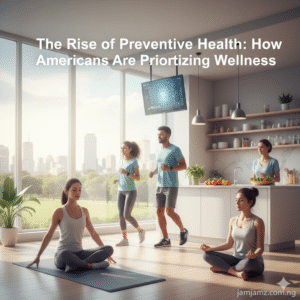
Movement is another pillar of preventive health. Exercise boosts circulation, builds strength, and supports emotional stability. Americans are finding ways to stay active that fit their lifestyles. Some walk or run, while others dance, lift weights, or practice yoga. The goal is no longer extreme fitness but consistent activity that keeps the body and mind in sync. Fitness centers, online programs, and home workouts have made exercise more accessible. Many people see it as a form of therapy that relieves stress and promotes confidence. Regular movement reduces the risk of heart disease, diabetes, and obesity, making it a key part of preventive living.
Mental and Emotional Wellness
A healthy mind supports a healthy body. Americans have started to prioritize mental health as an essential part of prevention. Stress, anxiety, and burnout are now openly discussed, and many people use meditation, therapy, and mindfulness to stay balanced. Workplaces encourage mental health breaks, and schools introduce emotional education at early ages. The stigma around therapy has faded, allowing more people to seek help when needed. Mental wellness strengthens resilience and helps individuals handle life’s challenges with clarity. Preventive health is not complete without emotional stability and peace of mind.
Regular Screenings and Medical Checkups
Early detection saves lives. Preventive health includes routine visits to doctors and specialists for tests that catch problems early. Americans are scheduling annual exams, blood pressure checks, cholesterol screenings, and cancer tests. They understand that detecting issues in early stages often leads to faster recovery and fewer complications. Preventive screenings also provide peace of mind, helping people track progress and adjust habits when necessary. These small steps create big results over time, improving survival rates and quality of life.
Sleep and Rest
Sleep is one of the most overlooked but essential parts of preventive health. Americans now recognize that rest is not wasted time but active recovery. Quality sleep repairs the body, improves memory, and strengthens immunity. Lack of rest increases the risk of chronic conditions and weakens focus. People are setting regular sleep schedules, reducing screen time before bed, and creating restful environments. A balanced lifestyle always includes time for relaxation, because prevention begins with proper recovery.
Technology Supporting Preventive Health
Technology makes prevention easier than ever. Americans use digital tools to monitor their health and make smarter choices. Wearable devices track heart rate, sleep, steps, and calorie intake. Health apps offer personalized meal plans, workout guidance, and stress management tools. Online consultations and telehealth services allow people to connect with doctors without leaving home. Technology empowers individuals with real-time feedback and data that guide everyday habits. It turns prevention into a lifestyle that is simple to manage and enjoyable to maintain.
Corporate Support for Wellness
Companies across America now understand that healthy employees create stronger businesses. Many offer wellness programs that promote exercise, nutrition, and stress reduction. Offices provide standing desks, healthy snacks, and mindfulness workshops. These efforts reduce sick days, improve focus, and build happier teams. Employers know that preventive wellness leads to higher performance and loyalty. Corporate wellness programs also inspire workers to maintain healthy habits outside the office. Preventive health has become part of workplace culture and long-term success.
The Role of Government and Public Programs
Public health initiatives encourage Americans to adopt preventive lifestyles. Government agencies promote vaccination, exercise, and healthy eating campaigns. Schools teach children about nutrition, fitness, and hygiene from a young age. These early lessons create lifelong habits that reduce disease risk and healthcare costs. National awareness programs focus on chronic illnesses like diabetes, heart disease, and obesity, helping citizens make informed choices. Preventive policies save lives, lower expenses, and strengthen the country’s overall well-being.
How Americans Redefined Wellness Culture
The meaning of wellness in America has changed. It’s no longer about quick fixes or temporary diets it’s about long-term vitality. Holistic health connects the mind, body, and environment. Americans practice yoga, meditation, and nature therapy to balance physical and emotional energy. Prevention now means living consciously in every area of life. People also value community connection as part of health. Group workouts, wellness challenges, and social clubs make preventive habits more enjoyable. Wellness is now a shared experience that strengthens relationships and collective motivation.
Economic Benefits of Preventive Health
Preventive care reduces national healthcare spending by lowering the rate of chronic diseases. It decreases hospital visits, medication use, and long-term treatments. Every dollar invested in prevention saves several dollars in future costs. Individuals save money by avoiding unnecessary prescriptions and procedures. The overall economy benefits as healthier workers contribute more effectively and take fewer sick days. Prevention strengthens both personal finances and public stability.

Challenges in the Preventive Health Movement
Despite its growth, preventive health faces challenges. Not everyone has equal access to resources like healthy food or fitness facilities. Low-income communities often struggle with limited healthcare access and high stress. Some people also feel overwhelmed by conflicting health information online. It can be difficult to separate credible advice from misleading claims. Time and motivation remain obstacles, especially for those balancing busy schedules. Solving these challenges requires education, affordable healthcare, and community involvement. Prevention must be accessible to everyone, regardless of income or location.
Mindset and Motivation
The real power of preventive health lies in mindset. Americans now see health as an ongoing investment. Instead of reacting to problems, they plan for longevity. They understand that consistent habits bring freedom freedom from pain, fatigue, and limitations. This proactive attitude creates confidence and empowerment. Preventive living transforms not only the body but also the spirit, fostering discipline and gratitude. It redefines success as the ability to live fully and stay strong through all stages of life.
The Future of Preventive Health
The future of preventive health in America looks bright. Technological innovation, education, and science continue to expand what is possible. Artificial intelligence will predict health risks before symptoms appear. Genetic testing will personalize diets and treatments. Medical devices will track real-time health data to prevent emergencies. Health insurance companies may begin rewarding people who maintain preventive routines. As prevention becomes mainstream, healthcare will shift from crisis management to continuous support. This evolution will create a healthier and more sustainable nation.
Practical Tips for Living Preventively
Americans are adopting simple habits to protect their health. They eat nutrient-rich foods and drink plenty of water. They move daily, whether through walking, cycling, or stretching. They create time for rest, mindfulness, and social connection. They visit doctors regularly and avoid harmful habits like smoking or excessive alcohol use. They focus on small, consistent steps rather than sudden changes. Preventive health is not about perfection it’s about progress.
Conclusion
The rise of preventive health marks a major milestone in American wellness culture. People have realized that prevention is not just medical it’s personal. It reflects awareness, discipline, and respect for life. Americans are now living with purpose, making conscious choices that protect their future. This movement continues to grow, inspiring families, communities, and workplaces across the country. Preventive health is not a passing trend; it is the foundation of a stronger, happier, and healthier America.